


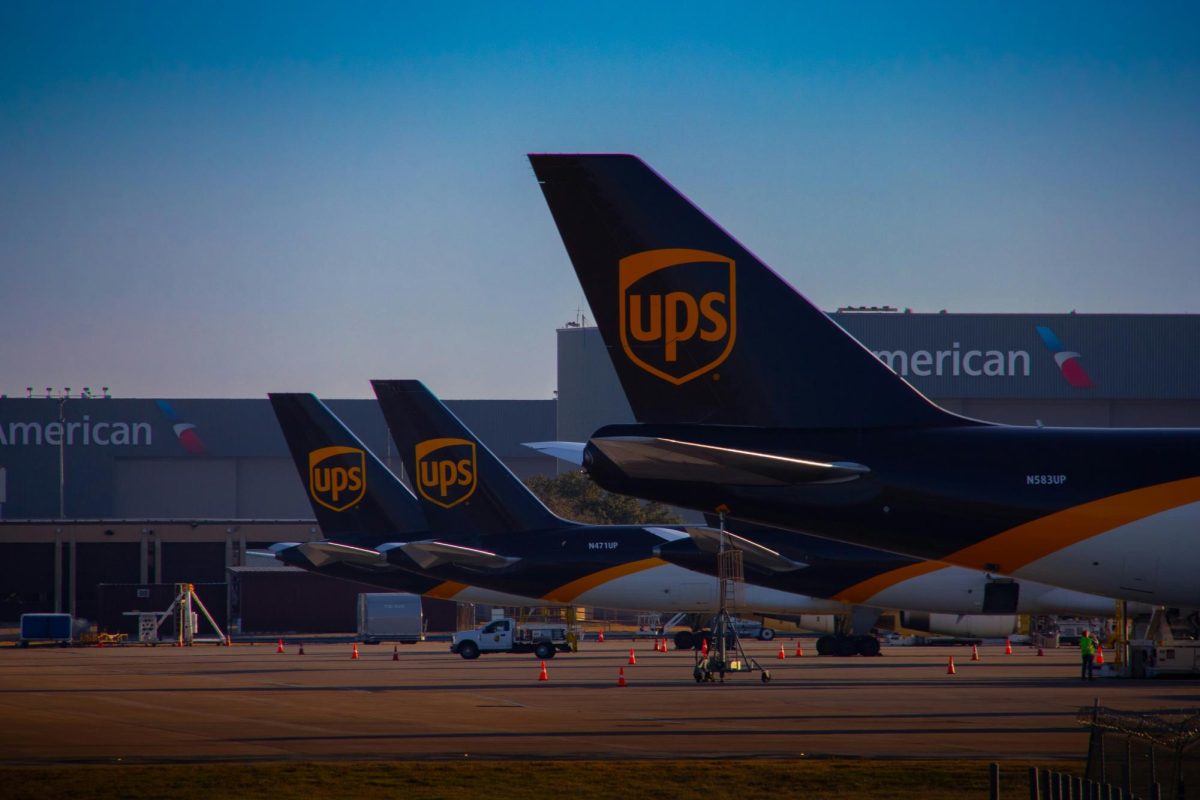
On November 4, a UPS plane, an MD-11 model, crashed in Louisville, Kentucky, killing 14 people and injuring several others.
Nothing seemed out of the ordinary, and no maintenance was done before the plane took off from Louisville Muhammad Ali International Airport. However, during takeoff, the left wing of the aircraft caught fire, causing one of the three engines to fall off. The plane was set to land in Honolulu and was transporting 38,000 gallons of jet fuel, which increased the duration and intensity of the flames, making it more difficult for firefighters to manage.
After gaining approximately 100 feet of altitude, the plane crashed, creating a wide swath of fire that destroyed scrap yards, an auto repair shop, and a petroleum recycling center. Spot fires were still popping up days after the event. There were 14 fatalities as a result of the crash, including all three UPS crew members and 11 people on the ground. Some of the bodies found were so severely scarred that they weren’t recognizable, leading coroners to use DNA testing and dentition to determine or confirm identities.
Three days after the crash, UPS announced that they were grounding all MD-11 planes, which make up around 9% of their aircraft. On their website, they wrote that they were grounding this model “out of an abundance of caution and in the interest of safety.”
Interestingly, MD-11 planes are considered a descendant of DC-10 planes, which sparked two disasters in 1979 and 1989 that also involved a wing catching on fire and an engine falling off. These flaws caused the original DC-10 planes to fall out of favor.
This crash is considered one of the worst in UPS’ history since its founding in 1907. Louisville has UPS’ largest package handling facility in the world. Louisville also hosts the UPS Worldport Freight Facility, which has been closed since the crash, although the package handling facility has resumed operations. UPS is also the largest employer of Louisville citizens, with 20,000 people in the area working for them.