


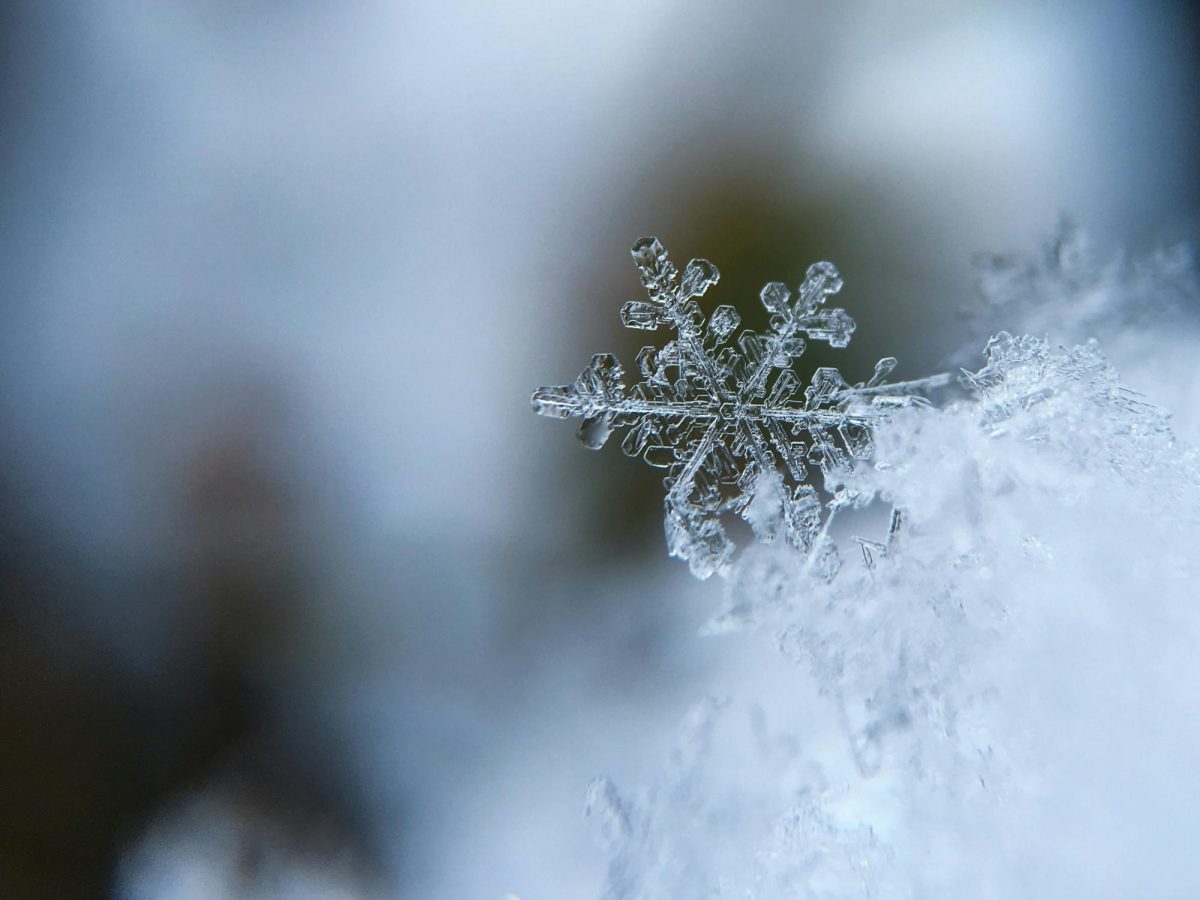
Long Island received its first snowfall of the season on November 11. As head into the holiday season, more can be expected. With weather having such a prevalent impact on our day-to-day lives, especially during the colder seasons, it is natural to wonder: “How does climate change affect snow?”
At first glance, with climate change still overstaying its welcome, one might think that there would be less snow. Even though that prediction is sensible, there are actually contributing factors in climate change that would instead cause a much snowier winter.
For starters, with evaporation becoming more constant as a result of the warmer temperatures, more moisture is collected by the atmosphere. More moisture in the air becomes the perfect fuel for heavier, more intense snowstorms. Secondly, rapid warming in the Arctic weakens jet streams, allowing for polar air to progress south. With these two factors now established, it’s no wonder that even with a warmer earth, many areas still experience–and may even expect–stronger snow events.
Looking ahead to this winter, forecasters predict a heavier snow year compared to last year. Buffalo, NY, for example, is expected to get 90-100 inches of snow in comparison to the 77 that accumulated last year. It is expected that Philadelphia, New York City, and Boston will also experience higher-than-average snowfall.
With a snowier winter on the horizon, now is a perfect time to plan seasonal activities, from skiing and snowtubing to simply cozying up at home by the fire with a good winter movie.